
There are few things more disappointing than a garden that was bustling with birds in June, being virtually silent by August. None of the normal suspects seem to be around and people often ask the question, “Where have all the birds gone from my garden?”
The Migration Myth
So if you assumed the resident birds had left to go to warmer climates then think again. Only a few species of birds migrate to warmer parts of the world and none of these species visit UK gardens. The common birds that visit gardens all year round are birds such as blackbirds, robins, blue tits and house sparrows. These birds are resident birds and do not migrate to warmer parts of the world.
The Disease Myth
Every year during the autumn a few birds are seen with strange appearance. They have lost a lot of their feathers, some have bald patches, others are missing their tails. They often seem to be slouching or bent over and can appear to be sick or even dying. In reality, these birds are simply going through their annual moult.
The Predator Myth
A garden can go quiet very quickly and can give the impression of being wiped out by predators such as sparrowhawks or even the local cat. However, the birds will only have moved a few hundred meters into thicker cover such as larger trees and shrubs. A few weeks of quiet in the garden does not necessarily indicate that the birds have been killed by predators.
The Real Reason: Moult
Adult birds replace their worn flight feathers one by one after the breeding season, usually becoming weaker fliers for a time and more exposed to predators until their new feathers grow in. During this time, they often become quieter, stop singing and head for thick hedges and shrubs where they can hide until they have grown in their new feathers. This time of year is explored further in a piece on the part of birdsong you’ve never actually heard. The seasonal changes in garden bird activity that occur through late summer are well recognised and are detailed here.
The Second Reason: Dispersal
Fledged young birds and adult birds in moult will have gone out of your garden to find wild food to eat as the ripening of elderberries, blackberries and hawthorn berries etc, plus a plethora of seeds and insects, means there is plenty of food available elsewhere than in your garden.
When They Come Back
By late August the adults will have finished their moult and started to become more active again. By early to mid September the majority of adults will have completed their moult and by late September and October as the food on the hedgerows and in the countryside starts to run out, birds will start to return to the garden in their numbers. By November gardens are usually as busy as they were in the spring.
Keep Feeders Fresh, Not Full
An unattended feeder does not necessarily mean birds are ill and have gone off in search of other suppliers. We do not have to put out loads of food that could go off in the weather and instead keep the feeders very clean and top up with very small amounts of fresh seed or even fat balls. The public guidance on how wildlife responds to changing seasons goes into more detail. There is more on where have all the birds gone from my garden at https://trivialmouse.co.uk/nature/the-part-of-birdsong-you-ve-never-actually-heard/.
A Quiet Garden Isn’t the Whole Story
It is also worth remembering that one quiet August does not a decline make. There are established methods of long-term monitoring of bird populations. It is best to look at the declining bird populations research for several years and not just assume that the birds have gone because it has been several weeks and you have not seen any in your garden.
Common Mistakes
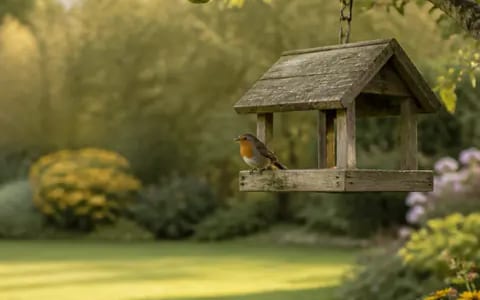
Most garden birds don’t migrate at all and will have flown no more than a few hundred yards to find a safe haven with plenty of food to eat.
Throwing food away because the feeder has been untouched for a while: If you do put up a feeder then make sure to keep the food fresh and put only a small amount of seed or fat in it. In a few weeks’ time demand should pick up again in the garden.
Mistaking scruffy birds for sick birds: they’re just moulting.
Kids look very different from adults: many are misidentified as new species, such as juvenile Robins and Starlings.
Reading the fall of birds from one garden as part of a national decline: wait a few weeks and check against the long-term records for years rather.
Your garden may be quiet at the moment but birds will return in a few weeks and need your help to get through the winter. Keep your feeders clean and top them up with fresh seed or fat balls. Don’t put too much out at first as it will spoil quickly.