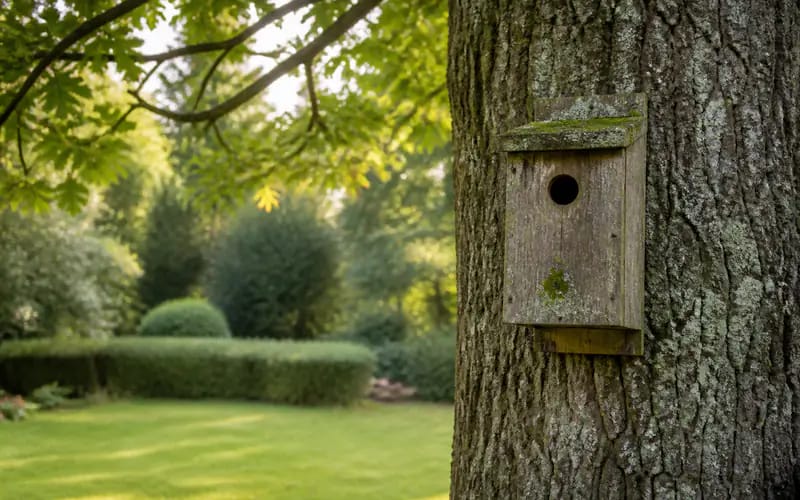
The silence of most bird boxes by now is a signal that it’s time to give them a clean. UK bird boxes should be cleared out of old nests, eggs and chicks after the end of the breeding season and there is a clear window of time to do this safely and legally.
Why Timing Matters By Law
Nests and eggs of wild birds are fully protected by law under Section 1 of the Wildlife and Countryside Act 1981. Intentional damage, destruction or taking of active nests and eggs are an offence under this act. The disturbance of active nests and eggs for the purpose of cleaning out nest boxes is therefore an offence and could result in prosecution under this act. Thus the question of when to clean out bird boxes has a practical answer and a legal answer. Clean out too early in the season and you could be breaking the law and potentially upsetting birds that are trying to re-establish a home in the box.
Check The Box Is Really Empty
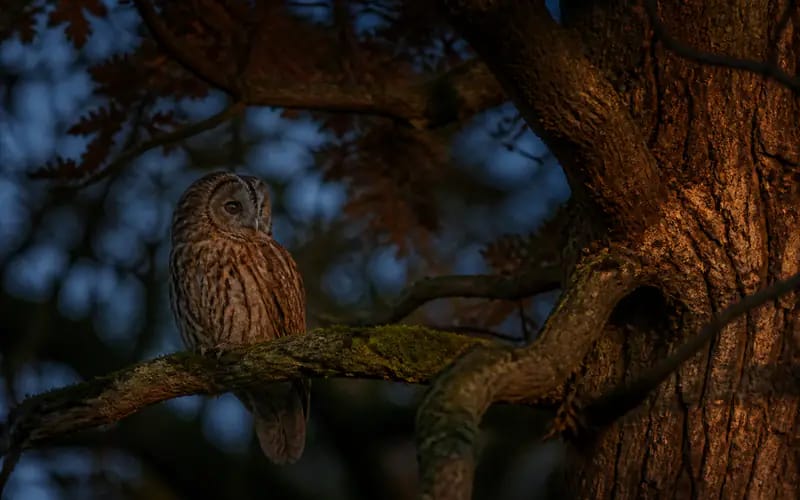
While most species of garden birds will have finished their breeding by July or August, some species will go on to have a second or even third brood in September. This could include House Sparrows and tawny owls that may use nest boxes much later in the year than other species. Wait a few weeks and then go and take a look in the box. If there are birds active in the box, or you can hear chicks, then it is best to leave it for another couple of weeks. If there is no sign of recent activity and there are no fresh droppings or feathers at the entrance of the box, then it should be safe to clean out the box.
Reconciling The Different Dates
Nest box cleaning advice can vary depending on who you read. The BTO suggest that for monitoring purposes, the boxes should be cleaned from 1st September until 31st January, while the RSPB advice for garden bird care suggests that for most birds September to January is best, while for gardens in Scotland this can be altered to August until January, as the breeding season for garden birds is thought to start and end earlier in Scotland than in England, Wales and Northern Ireland. For the sake of this article we shall stick with 1st September until 31st January for gardens in England, Wales and Northern Ireland. This allows any late broods to fledge before we start to clean out the boxes and by February most birds will have returned to search for a nest site for the forthcoming spring.
The Step By Step Clean
Check the box for emptiness and remove any old nest material. Check the box for any sign of damage i.e. cracks, loose panels, rotting of wood. Scald the inside of the box with boiling water, do not use any detergents or disinfectants. Leave the box open to dry out completely before placing it back in position for the following season. It is also very important to make sure that the inside of the box is completely dry before filling with new clean material, otherwise it will develop mould and mites over the winter.
What To Do With Old Eggs
Another important aspect to consider when clearing out an old nest is the eggs. In most cases, there will be a number of unhatched eggs left in the nest, but these cannot be kept, even if they are clearly dead. They should be disposed of with the rest of the old nest debris from the garden. If you are interested in finding out more about disturbing nests and eggs and what is permitted, Natural England’s wildlife protection guidance gives information on the licensing required for conservation work and exceptions to the legislation.
Skip The Insecticides
Don’t put insecticides such as flea powders or sprays down the nest hole of your bird box. These are poisonous to birds and must be avoided at all costs. A simple scrub of the bird box with boiling water is all you need to get rid of any mites. In years to come, make sure you give the bird box a good clean out each autumn and check that it has fully dried out before putting it back up for the following breeding season.
A Few Common Mistakes
It is most important to avoid a few common errors regarding the cleaning of nest boxes: First, do not clean out the box too early, late broods can still be present in July and August. Secondly, make sure to clean out all damp nest material in order to prevent the box becoming mouldy over winter. Finally, avoid disturbing boxes with eggs in them as this is covered by the 1981 Act and is therefore prohibited. Lastly, make sure to return to the box throughout the winter and to add a small handful of clean, dry hay to the box in order to provide a winter roost for species such as the wren. For when to clean out bird boxes uk, visit https://trivialmouse.co.uk/birdsong/dawn-chorus/.
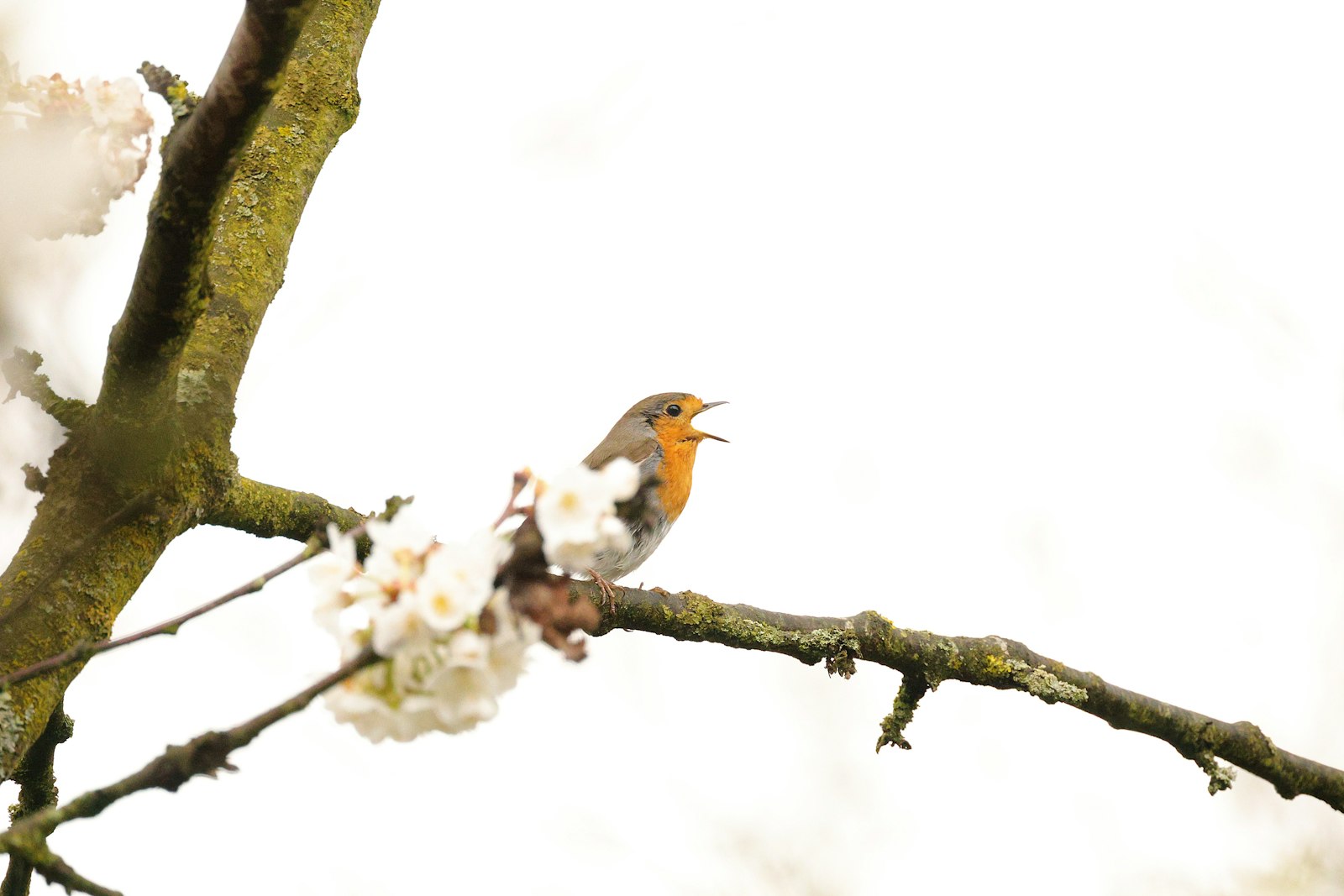
For a reminder of why all this quiet in the garden during the autumn months is so important, read our article about the dawn chorus and how birds return to their gardens and start singing their heads off in the spring as they return to nesting sites.
Clean Out Checklist
Check if the species of garden bird that used the nest box have finished the breeding season for the year – some species can have up to 3 broods per year and finish nesting as late as September.
Leave the nest box alone until 1 September and then only clean out the box until 31 January.
Wear gloves, and remove the old nest material from the box. Dispose of any unhatched eggs (these cannot be kept).
Scald the interior with boiling water and allow to dry before returning the box to service. Note: do not use any form of insecticide or flea killer as these can be very harmful to the birds that will be using the box next year.
Optional: a small handful of clean hay can offer a winter roost.
Inspection is then complete. The box can now be left for the birds to use next year.